
I’ve spent the better part of two decades in the audiology space, and I’ll be honest: for a long time, the "over-the-counter" market felt like the Wild West. But as we move through February 2026, the landscape has shifted. The noise—both literal and figurative—is finally being filtered out.
Between the recent FDA regulatory updates for OTC hearing aids and the tech breakthroughs we saw at CES this year, we’ve reached a tipping point. Consumers are no longer asking for the cheapest device; they are asking for pro-grade performance without the clinical price tag.
In my years of practice, the number one complaint has always been background noise. Everyone is currently buzzing about Gen AI-driven speech separation. While that sounds like sci-fi, it effectively relies on how many "slices" a device can cut the sound into.
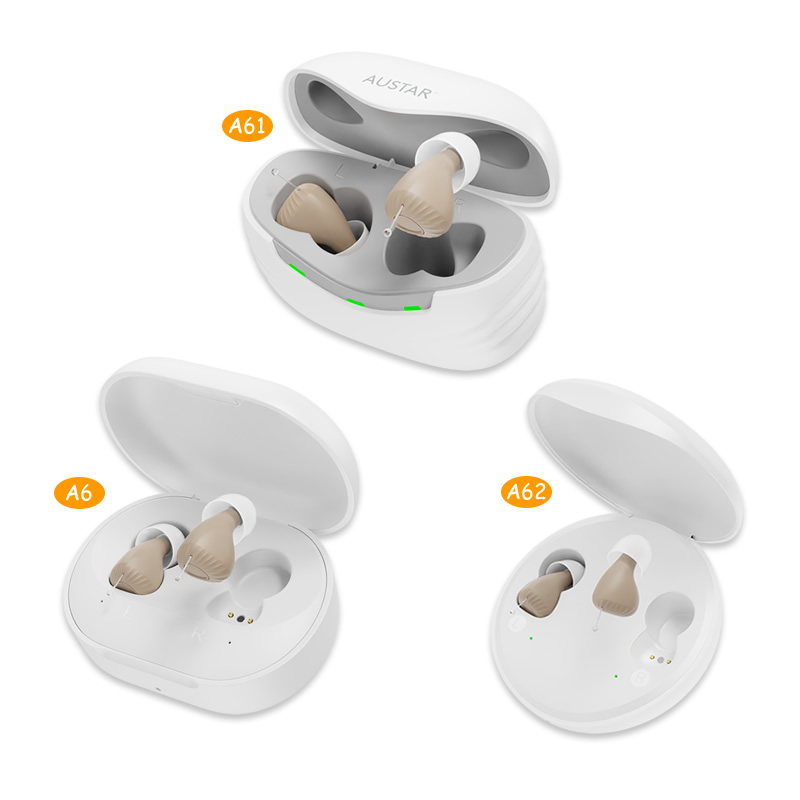
Most entry-level OTC hearing aids struggle because they only have 8 or 16 channels. I’ve been looking at the CADENZA A6 lately, and it’s one of the few in the OTC category utilizing 32-channel intelligent analysis. In a crowded restaurant—the ultimate "stress test"—those channels act like a surgical team, isolating voices while suppressing the clatter of silverware. This is the real-world speech clarity that users are actually searching for in 2026.
Another hot topic in the forums this month is battery anxiety and the push for fast-charging. We’ve seen a trend toward hearing aids becoming "health trackers," but more sensors mean more power drain. Most devices die by 6:00 PM, which is a dealbreaker for active users.
This is where the engineering in the A6 caught my eye. They’ve managed to hit a 100-hour mixed-use battery life. In an industry where 24 hours used to be the gold standard, being able to go a full work week (or a long holiday) without a charger is a massive shift toward user autonomy.
Let’s talk about the stigma of wearing a hearing aid. Even with the rise of stylish hearing glasses, many of my clients still want their tech to be seen, not heard. They want the "stealth" factor.
The industry is moving toward Invisible-in-Canal (IIC) aesthetics. Devices like the A6 are so small they virtually vanish once inserted. When you combine that invisible design with one-touch scenario switching (General, Indoor, Outdoor, and Phone modes), you remove the "fumble factor." It feels less like a medical prosthetic and more like a high-end consumer earbud.
| Feature | Average OTC (2025 Era) | Pro-Grade OTC (e.g., CADENZA A6) | Current Market Hot Topic |
|---|---|---|---|
| Sound Processing | 8 - 12 Channels | 32-Channel Intelligent Analysis | Speech-in-noise clarity |
| Power Source | 18 - 24 Hours | 100-Hour Mixed-Use Mode | Ending battery anxiety |
| Visibility | Noticeable BTE/ITC | Invisible-in-Canal (IIC) | Reducing wearer stigma |
| Manufacturer Pedigree | Tech Startups | 20+ Years Audiology Heritage | Reliability & FDA Compliance |
There is a lot of noise regarding subscription-based hearing models right now, but at the end of the day, hardware is king. You want a device built by people who have been in the ear for decades.
What makes the CADENZA brand stand out to me isn't just the specs—it's the fact that they are backed by AUSTAR HEARING. With 20+ years of manufacturing experience, they understand the fitting range for mild-to-moderate loss (≤ 60 dB) better than the Silicon Valley newcomers. In 2026, as the market consolidates, sticking with reliable manufacturers is the only way to ensure your hearing aid isn't just a paperweight six months from now.
The "Wild West" days are ending. Professional-grade OTC is here, and it’s finally living up to the hype.
Would you like me to help you draft a follow-up blog post specifically focused on how to compare these 32-channel specs for your customers?