
It’s the sound every hearing aid user dreads: a splash. Whether it’s a sudden summer downpour, a sweaty workout, or the classic "stepped into the shower" blunder, water is the natural enemy of precision electronics.
In my 20 years in the clinic, I’ve seen people try everything to "save" their tech. But before you reach for that hair dryer, stop. You might be about to turn a simple fix into a melted piece of plastic. Here is the 2026 reality of moisture-proofing your hearing journey.
I cannot stress this enough: Never use a hair dryer, microwave, or oven to dry your hearing aid. I’ve seen countless hearing aids with warped shells and fried circuits because someone thought "high heat" meant "fast drying."
Modern devices are made of sophisticated, multi-material components. High heat causes accelerated oxidation and warping. Different parts expand at different rates, leading to cracked casings and poor contact failures. By the time the water evaporates, your expensive device might have literally melted from the inside out.
If your device gets wet, don't panic. Follow this insider-approved moisture recovery sequence:
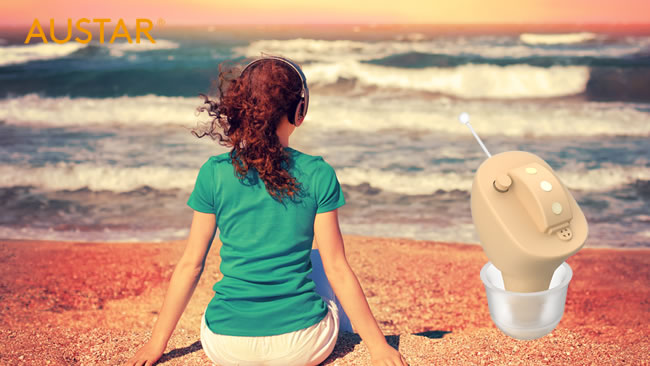
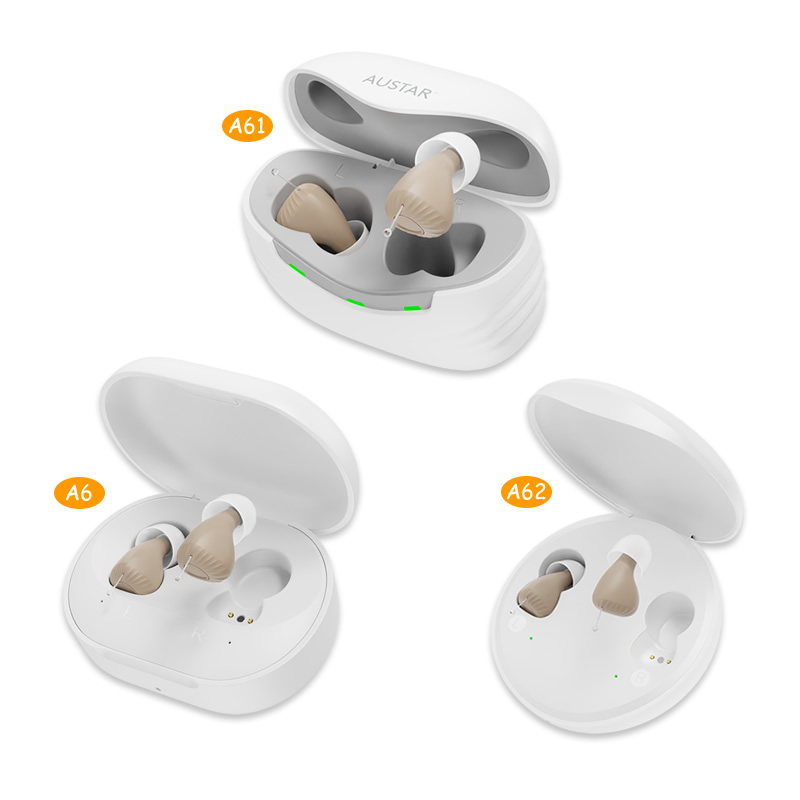
One reason I’ve been tracking the CADENZA A6 recently is its resilience. In the world of OTC hearing aid reliability, we are seeing a shift toward better ingress protection.
| The Risk Factor | The "Old" Hearing Aid Vulnerability | The 2026 Solution (e.g., CADENZA A6) |
|---|---|---|
| High Humidity/Sweat | Frequent "shorting out" during summer. | Robust 20-Year Manufacturing Pedigree by AUSTAR. |
| Battery Corrosion | Zinc-air batteries leak when wet. | Fully Integrated Rechargeable System (100-hr life). |
| Environmental Sealing | Open ports vulnerable to rain. | Invisible-in-Canal (IIC) deep-fit protection. |
| Emergency Repair | Requires expensive clinical visit. | One-Touch Scenario Reset for easy troubleshooting. |
While the A6 is built to handle the rigors of an active lifestyle, no device is 100% waterproof. In our era of AI-driven hearing tech, we often forget that these are still precision instruments.
If you live in a humid climate or a "rainy season" zone, invest in a professional-grade drying station. It’s a small price to pay to protect a hearing aid that connects you to the world. And if the DIY drying doesn't work? Take it to a professional fitting center immediately. Don't wait until the corrosion sets in.
Would you like me to help you create a "Summer Maintenance Checklist" for your hearing aid users?