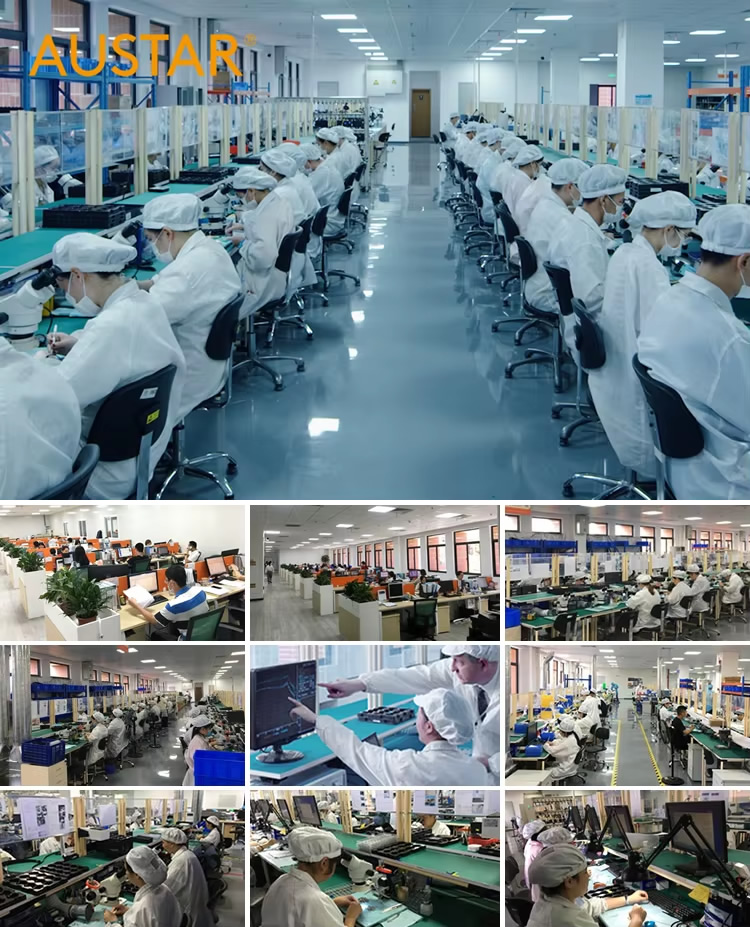
Hearing aids are sophisticated micro-electronic devices that are highly sensitive to moisture, sweat, and environmental liquids. At Cadenza Hearing, we understand that durability is a top priority for users and distributors alike. This guide explores the latest in moisture-protection technology and the reality of "waterproof" hearing aids.
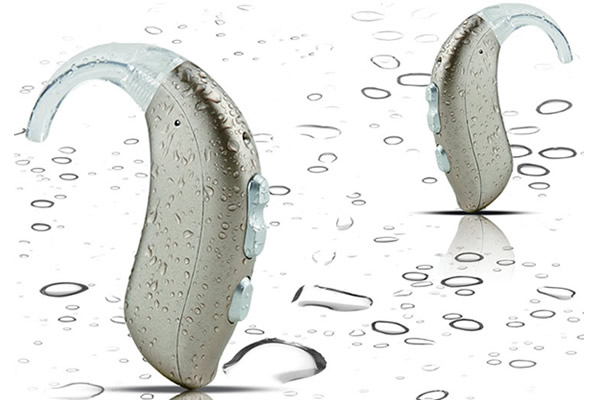
A common question in the audiology market is: "Can I swim in my hearing aids?"
Technically, while most modern devices are water-resistant, very few are 100% waterproof for high-impact aquatic activities.
While industry advancements have made devices incredibly resilient, long-term exposure to high humidity or chemically treated pool water can still affect delicate internal components. For maximum longevity, we recommend using a dehumidifier to maintain your investment.
In the last decade, hearing aid manufacturing has evolved significantly. Top-tier manufacturers like Austar/Cadenza utilize two primary layers of defense:
Choosing an IP68-rated device is essential if you fit any of the following profiles:
Before purchasing or sourcing hearing aids, it is crucial to check the Ingress Protection (IP) rating, as defined by the International Electrotechnical Commission (IEC).
The rating consists of two digits (e.g., IP68):
| Rating | Protection Level |
|---|---|
| IPX7 | Submerged in 1m of water for 30 minutes. |
| IPX8 | Continuous submersion in water deeper than 1m (Minimum 31+ minutes). |
For instance, the AUSTAR FUGUE X series and most of Cadenza’s BTE and RIC hearing aids carry an IP68 rating—the highest standard for dust and water resistance in the industry.
Even with an IP68 rating, professional care extends the life of the device:
Are you looking for a reliable hearing aid supplier or an OEM hearing aid manufacturer specialized in high-durability, IP68-rated technology?
Cadenza Hearing offers factory-direct wholesale solutions for BTE and RIC models, combining medical-grade performance with robust water resistance.
Contact us today to explore our private label opportunities!