
Many users invest in high-end hearing aids, only to find that within a few years, the sound becomes muffled, intermittent, or stops working entirely. When sending the device in for repair, the culprit is rarely accidental drops or rough handling. More often than not, the invisible destroyer is moisture.
Hearing aids are sophisticated micro-electronics packed with tiny microphones, receivers, and circuits. Corrosion from moisture consistently ranks as the leading cause of device failure. What catches many users off guard is that the true culprit isn't a direct splash of water, but vapor. The steam from a hot shower, summer sweat, humid rainy days, and even the moisture released by your ear canal overnight can slip through microscopic gaps. Over time, this trapped vapor corrodes the microphone diaphragm and oxidizes internal metal contacts, turning crisp sound into muffled static before ruining the device altogether.
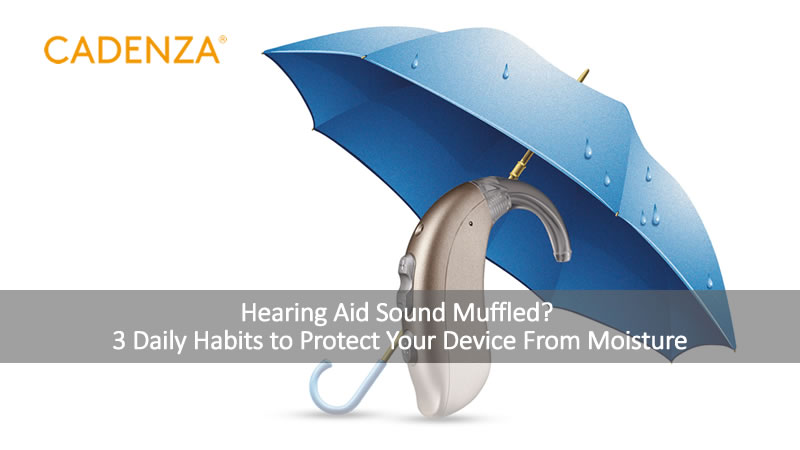
Most modern hearing aids carry an IP68 dust and water-resistance rating, meaning they can survive accidental splashes or brief submersions. However, **they are never steam-proof**. Wearing hearing aids into a hot shower or sauna is like taking a precision watch into a steam room—the exterior might survive, but the interior takes heavy damage. Keeping your device functional for years comes down to three daily habits:
Before stepping into the bathroom, take off your hearing aids. Do not risk a quick rinse. Similarly, always remove them before going to bed. Aside from avoiding physical pressure when turning over, the warm, humid microclimate under your bedding is a breeding ground for trapped moisture.
This is the single most important yet frequently overlooked step. If you use a traditional battery-powered hearing aid, open the battery door completely every night (you can leave the battery inside). If you use a rechargeable model, avoid plugging it right into a closed charging case immediately if it has been exposed to sweat all day. Leaving the battery door open allows trapped daily moisture a ventilation exit. Keeping it sealed traps the humidity inside, accelerating internal corrosion.
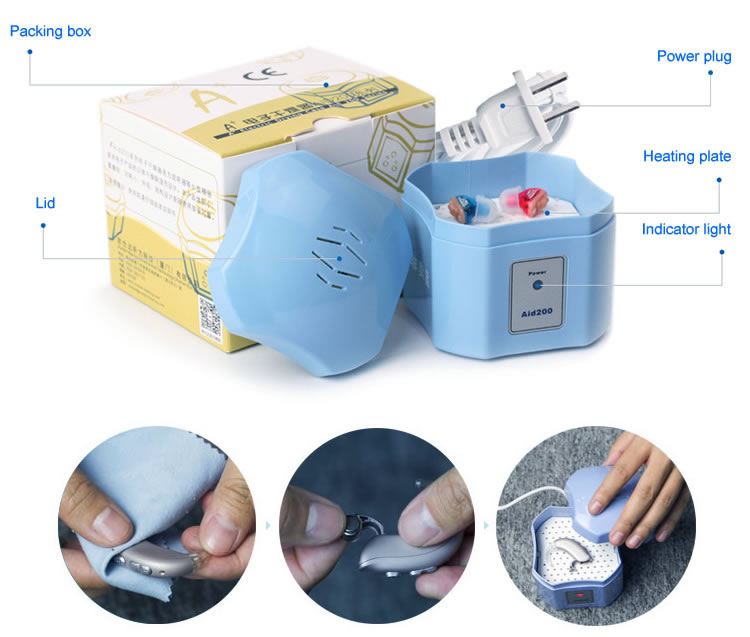
After opening the battery door at night, place your hearing aids into a dedicated drying box. If using an electronic drying box, use it 2 to 3 times a week for about 8 hours per cycle. If you use traditional desiccant beads or drying cakes, check the color indicators regularly and replace them promptly when they change, as exhausted beads lose their moisture-absorbing power.
At Cadenza, we understand that reliability matters just as much as sound quality. As a trusted provider of direct-to-consumer OTC hearing aids backed by decades of manufacturing expertise, we design our devices for maximum durability and ease of everyday maintenance. If you are looking for dependable, cost-effective hearing solutions or exploring wholesale opportunities, get in touch with our team today.